What comes after rehab is the transition from clinical treatment back toward independent living, and for most people it means a step-down through aftercare rather than a jump straight home. Finishing inpatient treatment or detox is a major milestone, but recovery does not end at discharge. The weeks after rehab are when newly learned coping skills meet real-world stress, which is exactly why a structured next step, most often a sober living home, protects the progress made in treatment.
This guide explains what comes after rehab, what the next steps and aftercare options are, how the levels of care in addiction recovery fit together, where a sober living home sits in that continuum, why the period right after rehab carries the highest relapse risk, whether you should go to sober living after rehab, and how to choose the right next step in Los Angeles.
What Comes After Rehab?
What comes after rehab is a planned transition into a lower level of care that continues to support recovery while restoring independence, a phase the addiction-treatment field calls aftercare or continuing care, as described by the National Institute on Drug Abuse in its research on treatment and recovery. The term aftercare covers everything that happens after the structured treatment program ends, from outpatient therapy to support groups to transitional housing.
After rehab, almost no one simply returns to their old life unchanged. Instead, a person leaving inpatient treatment moves into the next appropriate stage of the recovery continuum, which is usually less intensive than residential care but still provides structure and accountability. The goal of this post-rehab phase is to prevent the abrupt drop from twenty-four-hour clinical supervision back to unsupported daily life, the gap where relapse most often happens.
The decision about what comes after rehab is rarely made alone. A treatment counselor, case manager, or discharge planner at the inpatient facility typically builds a discharge plan with the resident before treatment ends, mapping out the next level of care, recommended support meetings, and where the person will live. Families are frequently part of this conversation, especially when they are helping research and fund the next step. The discharge plan is the bridge document that turns “I finished rehab” into a concrete schedule of what happens next.
For most people in early recovery, what comes after rehab is some combination of continued therapy and a substance-free place to live while those new habits take hold. That place to live is most often a sober living home, the transitional housing step that the rest of this transition is built around.
What Are the Next Steps After Rehab?
The next steps after rehab are the components of an aftercare plan, and the most common ones are listed below. Research shows that people who engage in aftercare after leaving rehab have higher abstinence rates and fewer relapse episodes than those who complete treatment and stop there, which is why a discharge plan rarely ends at the rehab door.
- Outpatient treatment Continues clinical care on a part-time schedule, through a partial hospitalization program or an intensive outpatient program, so therapy and medication management continue after the residential stay ends.
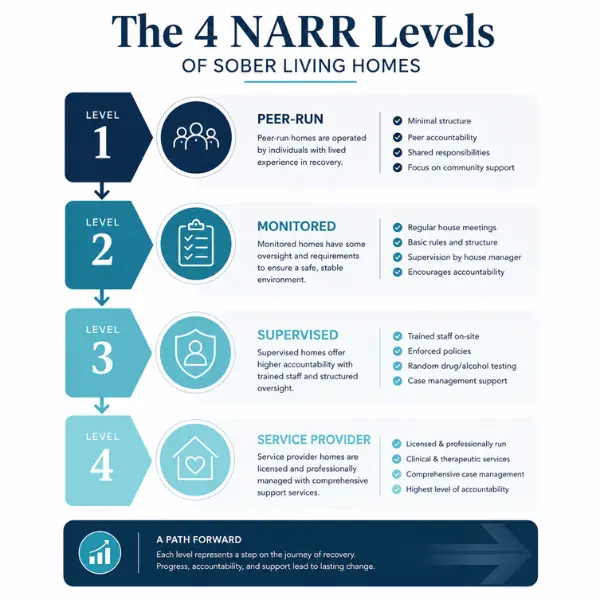
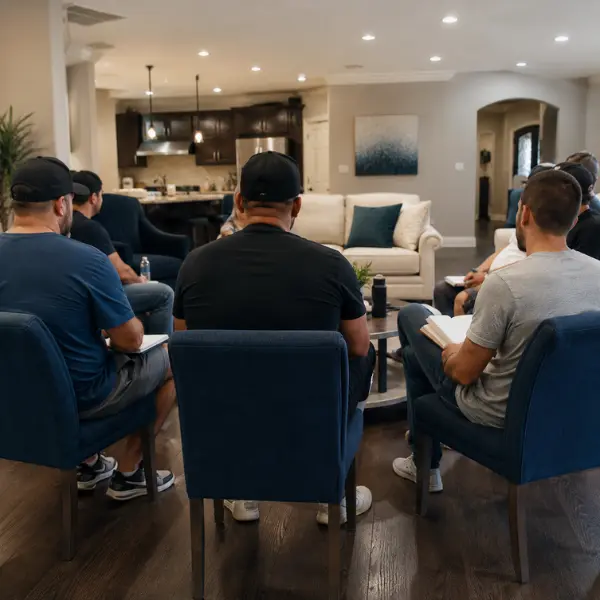
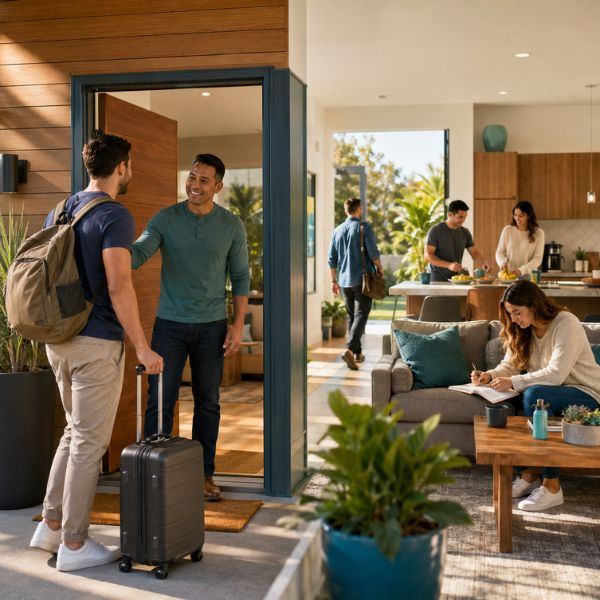
- Sober living Provides a structured, substance-free home where people in early recovery live with peers while they rebuild independence after rehab. This is the transitional-housing step most often recommended for those without a stable, sober home to return to.
- 12-step and peer support groups Such as Alcoholics Anonymous and Narcotics Anonymous, offer ongoing community, sponsorship, and accountability that continue indefinitely after rehab.
- Individual and group counseling Helps manage cravings, address co-occurring mental health conditions, and navigate the practical stress of life after addiction treatment.
- Recovery coaching and case management Connect a person to local resources, employment help, and follow-up appointments during the months after rehab.
- Medical and psychiatric follow-up Keeps any medication, including medication for opioid use disorder, monitored and adjusted as recovery progresses.
Each of these next steps after rehab carries the same purpose, sustaining the recovery that treatment started, and most aftercare plans combine several of them at once. A typical plan pairs a place to live, like a sober living home, with an outpatient program and regular support meetings, so the person leaving rehab has structure, clinical care, and community working together. Where each of these steps sits in relation to the others is clearest when you look at the full continuum of care.
What Are the Levels of Care in Addiction Recovery?
The levels of care in addiction recovery are the ordered stages of treatment, from the most intensive to the least, that together form what clinicians call the continuum of care. The continuum lets a person enter treatment at the level that matches their needs and then step down to less intensive care as recovery stabilizes. The table below shows where each level sits and how much structure it provides.
| Level of care | What it provides | Structure | Where you live |
|---|---|---|---|
| Medical detox | Supervised withdrawal management | Highest, 24-hour medical | On-site |
| Residential / inpatient rehab | Therapy, medical care, full-day treatment | Very high, 24-hour | On-site (28–90 days typical) |
| Partial hospitalization (PHP) | Day treatment, most of the day | High | Home or sober living |
| Intensive outpatient (IOP) | Several sessions per week | Moderate | Home or sober living |
| Sober living (recovery housing) | Substance-free housing, peer support, accountability | Moderate residential | The sober living home |
| Aftercare / continuing care | Alumni groups, follow-up therapy, ongoing meetings | Low, ongoing | Independent |
Each level of care steps down from the one before it, reducing clinical intensity while preserving support, so the move out of rehab is gradual rather than abrupt. A person who completes residential treatment does not usually jump straight to independent living. Instead they step down through outpatient care, transitional housing, and ongoing aftercare, eliminating the gaps that often lead to relapse.
A common point of confusion is the difference between an intensive outpatient program and a sober living home, because both sit in the middle of the continuum. They are not alternatives, they are complements. An intensive outpatient program delivers the clinical therapy, while a sober living home provides the substance-free place to live and the daily structure that surrounds it. Many people in early recovery do both at the same time, attending IOP sessions during the day and returning to their sober living home each evening. Understanding where these levels of care fit makes it clear why transitional housing is the step that holds the continuum together after rehab.