
Skip to content
Sober Living Los Angeles
Recovery · Life Skills Training

What Life Skills Does Sober Living Teach?

Life skills in a sober living home are the everyday competencies, from budgeting and cooking to communication and conflict resolution, that residents rebuild through daily practice so they can live independently and stay sober for good.

Financial Management Communication & Conflict Cooking & Time Management
Sober living resident practicing life skills in a Los Angeles recovery home kitchen
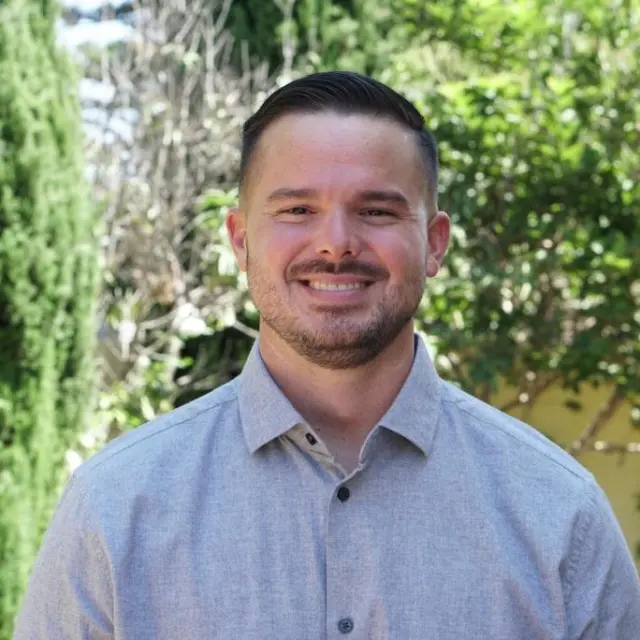
David Beasley, Founder and Recovery Advocate at Sober Living Los Angeles
Reviewed byDavid BeasleyFounder & Recovery Advocate
Published Jun 23, 2026Updated Jun 23, 202610 min read

This guide is educational and is reviewed for real-world recovery accuracy; it is not a substitute for personalized medical, clinical, or career advice, so confirm a home’s actual life-skills programming before relying on it.

Life skills in a sober living home are the everyday competencies, budgeting, cooking, communication, time management, and conflict resolution, that residents rebuild so they can live independently and stay sober without the structure of a treatment center. A sober living home teaches these life skills not through a classroom but through daily practice: paying rent, planning meals, holding a job, and resolving disagreements with housemates in real time. For anyone leaving inpatient treatment, life-skills training is the part of the recovery housing model that turns short-term sobriety into a durable, self-directed life.

This guide explains what life skills sober living teaches, how a sober living home delivers that training day to day, which essential life skills matter most for recovery, how residents rebuild financial management and budgeting, how they relearn communication and conflict resolution, how they practice cooking, nutrition, and time management, how recovery skills differ from life skills, and whether the life skills learned in sober living actually help residents stay sober for good.

The Definition

What Life Skills Does Sober Living Teach?

Sober living teaches the practical life skills that addiction erodes, including financial management, cooking and nutrition, communication, time management, conflict resolution, self-care, and employment readiness, all practiced inside a structured, substance-free home. Life skills in recovery are the everyday abilities that let a person live independently and handle stress without substances, as the National Alliance for Recovery Residences describes recovery housing as an environment designed to build exactly this kind of independent functioning. Industry synonyms include recovery life skills, independent-living skills, and sober living skills.

The life skills a sober living home teaches fall into three broad ranges. The first range covers practical household competencies, budgeting, cooking, cleaning, and time management, the daily tasks that keep an independent life running. The second range covers interpersonal competencies, communication, boundary setting, and conflict resolution, the relationship skills that addiction often damages. The third range covers self-management competencies, self-care, goal setting, accountability, and emotional regulation, the internal skills that sustain long-term sobriety. A complete life-skills program addresses all three ranges rather than treating any single skill in isolation.

These life skills are not abstract lessons. They are rehearsed through the ordinary demands of shared living, paying a monthly rent bill, taking a turn cooking dinner, sitting through a house meeting, and working out a chore dispute without using. Research on recovery housing outcomes has found that residents who practice these life skills in a structured residence show higher rates of sustained abstinence, better continuing-care engagement, and measurable improvements in income and employment, according to studies summarized by Dr. Douglas Polcin, Senior Scientist at the Alcohol Research Group. Life skills, in other words, are the working mechanism through which a sober living home converts early sobriety into independent recovery.

How It Works

How Does a Sober Living Home Teach Life Skills?

A sober living home teaches life skills through structured daily practice rather than instruction, requiring residents to perform the responsibilities of independent living while a house manager provides accountability and feedback. The home becomes a low-stakes rehearsal space: residents practice managing money, time, food, and relationships in an environment where a missed budget or a tense conversation can be corrected without the consequences they would face living alone.

The house manager is central to how life-skills training works. This person, typically a resident or staff member in long-term recovery, helps residents open bank accounts, build weekly budgets, plan meal rotations, set personal goals, and mediate the disagreements that inevitably arise in shared housing. House meetings give residents repeated practice in speaking up, listening, and negotiating, while chore schedules and curfews supply the external structure that internal discipline has not yet replaced. Random drug and alcohol testing reinforces accountability, one of the most transferable life skills a resident develops.

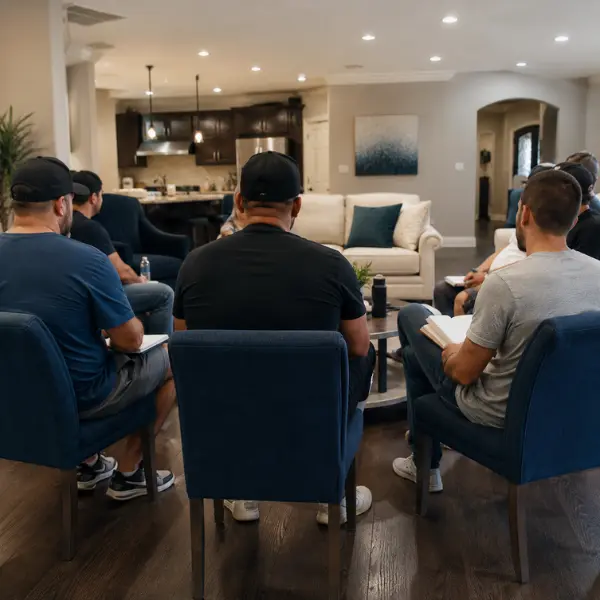
Many structured sober living homes also run dedicated life-skills groups. These are small group sessions focused on practicing a single competency at a time, a budgeting reset, a meal-planning workshop, a communication role-play, or a mock job interview, with feedback from peers and the house manager. The group format matters because it lets residents rehearse a skill, get immediate correction, and repeat it until it becomes a habit, which is the difference between knowing about a life skill and actually owning it.

This hands-on training model only works because the home supplies consistent structure, and that structure is built into the sober living house rules and the daily routine that govern every resident’s week, both of which the companion guides on sober living house rules and what a day in sober living looks like explain in full.

The Eight Skills

What Are the Essential Life Skills for Recovery?

The essential life skills for recovery are the eight competencies most sober living programs prioritize, listed below. Each one is practiced through the routines of shared, substance-free living rather than taught in a single sitting.

  • Financial management Covers budgeting, paying rent on time, repairing credit, and saving for an eventual move to independent housing.
  • Cooking and nutrition Covers grocery shopping, following recipes, and preparing balanced meals that restore the physical health addiction depletes.
  • Communication Covers honest expression, active listening, and setting boundaries with family, peers, and employers.
  • Conflict resolution Covers handling disagreements over chores, noise, or guests without using substances to escape discomfort.
  • Time management Covers using calendars and alarms, balancing work with recovery activities, and filling formerly idle hours productively.
  • Self-care Covers sleep, hygiene, exercise, and recognizing when to ask for help instead of powering through alone.
  • Goal setting Covers breaking long-term recovery aims into achievable weekly steps and tracking progress.
  • Accountability Covers following house rules, keeping commitments, and answering to peers without constant supervision.

These eight life skills reinforce one another, and a resident rarely works on just one at a time. Learning to budget, for example, depends on holding a job, which depends on time management and communication, which in turn depend on the self-care that keeps a person well enough to work. A structured sober living home sequences this practice so that residents build the full set rather than mastering one skill while neglecting the rest. Choosing a home that teaches the complete range of recovery life skills is part of evaluating any program, a decision the how to choose a sober living home guide walks through in detail.

Money Skills

How Does Sober Living Teach Financial Management and Budgeting?

Sober living teaches financial management by requiring residents to handle real money under real obligations, beginning with a monthly rent payment that creates immediate, practical motivation to budget. Most people arrive at a sober living home with damaged credit, depleted savings, and little recent experience managing money, so the rent requirement functions as a first lesson in financial responsibility rather than a barrier to entry.

The financial-management skills residents build extend well beyond paying rent. House managers commonly help residents create a monthly budget that tracks income against expenses such as rent, food, transportation, and personal needs, open or repair a bank account, read a credit report, and set realistic savings goals for independent housing. This budgeting practice matters because money stress is a frequent relapse trigger, and learning to manage finances reduces one of the most common pressures that pushes people back toward substance use.

Financial management also reinforces the other recovery life skills. A resident who budgets must first have income, which means holding a job, and the discipline of saving mirrors the discipline of staying sober one day at a time. For residents rebuilding earning power after addiction, the financial side of life-skills training connects directly to the employment assistance and job readiness programs that many sober living homes provide, where the goal is steady income that makes a budget possible in the first place.

Build the Skills for an Independent, Sober Life

Our structured program makes life-skills training a core pillar, helping residents rebuild budgeting, cooking, communication, and time management. Call anytime to talk through how it works.

People Skills

How Does Sober Living Build Communication and Conflict-Resolution Skills?

Sober living builds communication and conflict-resolution skills through the unavoidable daily interactions of shared housing, where residents must express needs, listen to feedback, and resolve disputes without numbing the discomfort with substances. Addiction often teaches people to manipulate, isolate, or avoid rather than communicate honestly, so a sober living home becomes the place where healthier patterns are relearned through repetition.

House meetings are the primary training ground for communication. Residents practice speaking up about concerns, listening to feedback without becoming defensive, setting boundaries respectfully, and asking for help when they need it. These skills transfer directly to relationships with family, employers, and recovery peers outside the home. Communication and conflict resolution are closely linked, because most household conflict is resolved, or worsened, by how clearly and calmly people talk to one another.

Conflict resolution gets its own intensive practice because shared living guarantees friction over chores, noise, schedules, and guests. Since substance use results in immediate discharge from most homes, residents cannot fall back on their old escape and must instead learn to pause, consider another person’s perspective, compromise, and work through the issue in conversation. House managers frequently mediate these disputes, modeling the problem-solving techniques residents then adopt. Many residents report that the conflict-resolution skills learned in sober living prove the most valuable of all after they leave, and they are a skill worth continuing to practice through ongoing aftercare and an alumni and aftercare network once a resident transitions to independent living.

Daily Living

How Does Sober Living Teach Cooking, Nutrition, and Time Management?

Sober living teaches cooking, nutrition, and time management by folding all three into the daily routine residents are required to keep, so the skills are practiced every day rather than studied in theory. Active addiction commonly means skipped meals, neglected health, and a complete loss of structure, and these three life skills directly rebuild the physical stability that recovery depends on.

Cooking and nutrition are practiced through the ordinary work of feeding oneself. Residents learn to navigate a grocery store, plan meals on a budget, follow a recipe, and prepare balanced food rather than relying on convenience meals, and many homes assign cooking turns or run meal-planning workshops so the skill is rehearsed in rotation. Restoring nutrition restores energy and mental clarity, which makes every other recovery life skill easier to practice.

Time management is rebuilt through the home’s mandatory schedule. Residents learn to use calendars, set alarms, plan ahead for work and recovery meetings, and fill the hours that substance use once consumed, and that structure mirrors the real-world responsibilities they will carry after sober living. Many residents are surprised by how much time they have once they stop using, and learning to allocate it productively is itself a relapse-prevention skill. The structure that makes cooking, nutrition, and time management practicable is the same daily structure that defines life in the home, which the day in sober living guide describes hour by hour.

Life skill How it is practiced Long-term outcome
Financial management Paying monthly rent, building a budget, and saving with the house manager. Money stability that removes a common relapse trigger.
Cooking and nutrition Grocery shopping, meal planning, and cooking turns in rotation. Restored physical health, energy, and mental clarity.
Communication Speaking up and listening in weekly house meetings. Stronger family, work, and recovery relationships.
Conflict resolution Working through chore, noise, and guest disputes with mediation. The ability to resolve friction without using.
Time management Using calendars and alarms to plan work and recovery meetings. Less idle time, which is a leading relapse risk removed.
The Distinction

What Is the Difference Between Recovery Skills and Life Skills?

Recovery skills and life skills overlap but serve different purposes: recovery skills are the sobriety-specific tools that prevent relapse, while life skills are the general competencies that let a person function independently. Both are taught in a sober living home, and the two reinforce each other, but understanding the distinction helps residents and families see what a life-skills program is actually delivering.

Recovery skills focus directly on staying sober. They include identifying triggers, managing cravings, building a relapse-prevention plan, avoiding high-risk situations, and asking for help early, sometimes grouped under the term sober skills, the practical tools that support abstinence and stability day to day. These skills exist because of addiction and address it specifically.

Life skills focus on daily functioning regardless of recovery: budgeting, cooking, communication, time management, and conflict resolution would matter for anyone living independently. In recovery, however, life skills carry extra weight, because the instability that comes from unpaid bills, poor nutrition, or unresolved conflict is itself a powerful relapse trigger. A strong sober living program teaches both sets at once, so that recovery skills keep a resident sober while life skills make the sober life worth maintaining. The full continuum of recovery support, from clinical treatment through transitional housing, is laid out in the explainer on what a sober living home is.

Long-Term Payoff

Do the Life Skills You Learn in Sober Living Help You Stay Sober for Good?

Yes, the life skills learned in sober living measurably improve a resident’s chances of staying sober long term, because stable finances, healthy routines, and functional relationships remove many of the everyday triggers that drive relapse. Life-skills training is not a supplement to recovery in a structured sober living home, it is one of the core mechanisms through which recovery becomes durable.

The connection is practical. A resident who can budget is less likely to face the money panic that precedes many relapses; a resident who can cook and keep a schedule maintains the physical and temporal stability that protects sobriety; a resident who can communicate and resolve conflict preserves the relationships and support network that sustain a sober life. Research on recovery housing has consistently linked structured residence, where these life skills are practiced, with higher abstinence rates and better long-term outcomes than abrupt transitions from treatment to independent living, according to findings from the National Institute on Drug Abuse.

The life skills do not stop mattering when a resident moves out. The most successful transitions treat sober living as the place to build habits that continue indefinitely, working one skill at a time, reviewing progress with a sponsor or peer, and staying connected to a recovery community. That ongoing practice is exactly what a structured Los Angeles sober living program is designed to start, and it is the reason life-skills training sits at the center of the model rather than at its edges.

FAQ

Commonly Asked Questions

What is the difference between recovery skills and life skills?

Recovery skills are the sobriety-specific tools that prevent relapse, such as identifying triggers, managing cravings, and building a relapse-prevention plan. Life skills are the general competencies that let a person function independently, such as budgeting, cooking, communication, time management, and conflict resolution. A sober living home teaches both, and they reinforce each other.

Do the life skills you learn in sober living help you stay sober for good?

Yes, the life skills learned in sober living measurably improve a resident’s chances of staying sober long term, because stable finances, healthy routines, and functional relationships remove many of the everyday triggers that drive relapse. Life-skills training is one of the core mechanisms through which recovery becomes durable.

Are life skills part of every sober living program?

Life-skills training is a core pillar of any structured sober living home, though the depth varies between programs. Quality homes practice the full range, financial management, cooking, communication, conflict resolution, and time management, through daily routines and dedicated life-skills groups rather than treating them as optional extras.

Can you learn life skills in sober living if you already had a career?

Yes. Addiction commonly erodes financial management, routines, and relationships even for people who once held successful careers, so life-skills training rebuilds the everyday competencies that sobriety depends on, regardless of a resident’s background or prior work history.

David Beasley, Founder and Recovery Advocate at Sober Living Los Angeles
Reviewed By

David Beasley

Founder & Recovery Advocate, Sober Living Los Angeles

David is the founder and recovery advocate behind Sober Living Los Angeles. Drawing on lived experience and years of building structured, community-based sober living, he champions a holistic approach to recovery that pairs safe housing with mentorship and life coaching — rooted in the belief that everyone deserves a second chance. He reviews the recovery content published on this site for real-world accuracy and safety.

Read more about David Beasley

Turn Early Sobriety Into an Independent Life

Sober Living Los Angeles makes life-skills training a core program pillar, helping residents rebuild financial management, communication, cooking, time management, and conflict-resolution skills alongside 12-step mentoring and employment assistance. Contact us today to learn how our life-skills program works.