12-Step Integration
Mentoring reinforces your step work, meeting attendance, and the work you do with a sponsor. A mentor isn’t a sponsor — they support the wider picture so your program has room to take hold.

Personal, consistent mentorship from people who have walked the road of recovery — built into structured sober living and paired with 12-step support, trauma-informed care, and coordination with your clinical team.

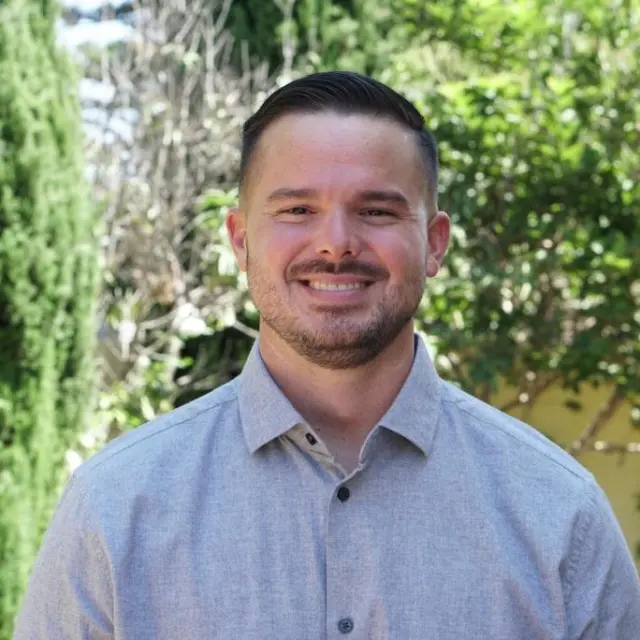
Written & reviewed by
Founder & Recovery Advocate
David founded Sober Living Los Angeles on one belief — that everyone deserves a second chance — pairing safe, structured housing with real mentorship and life coaching drawn from years of lived experience in recovery.
Uploaded Last updated
One-on-one recovery mentoring pairs you with a dedicated mentor — someone in stable, long-term recovery — who provides consistent personal guidance, accountability, and encouragement through the day-to-day of early sobriety. It’s different from group support: one person who knows your story, learns your triggers, and walks beside you as recovery becomes real life.
Addiction grows in isolation and secrecy. A trusted one-to-one relationship is one of the strongest protective factors in early recovery — it replaces shame with honesty and going-it-alone with steady support. At our sober living in Los Angeles, mentoring is built into the home so support is part of everyday life, not a once-a-month appointment. To be clear, we’re a sober-living provider — mentoring is non-clinical and is designed to complement, never replace, medical or clinical treatment.
Treatment teaches you what to do. A mentor helps you actually do it — through the ordinary, difficult days when staying sober is the hardest.
Addiction thrives in secrecy and disconnection. A mentor is one consistent person who knows your story and checks in — so you never have to carry recovery alone.
Daily structure, honest check-ins, and someone who notices the early warning signs — a missed meeting, a shift in mood — before they turn into relapse.
A mentor living in long-term recovery is proof that change lasts. Lived experience builds a kind of trust a pamphlet never can — and shows you what’s possible.
Mentoring works best when it’s grounded in proven recovery principles and aware of the whole person — not just the addiction.
Mentoring reinforces your step work, meeting attendance, and the work you do with a sponsor. A mentor isn’t a sponsor — they support the wider picture so your program has room to take hold.
Our mentors are oriented to trauma-aware, non-judgmental support — built on safety, choice, and trust rather than confrontation. We meet people where they are, at the pace recovery actually allows.
When mental health and substance use co-occur, your mentor coordinates with our mental health rehab partners so nothing falls through the cracks — both are supported together.
A clear, personal path — from the first match to support that fits real life.
You’re paired with a mentor based on your background, stage of recovery, and goals — not assigned at random.
Consistent, scheduled sessions plus informal day-to-day contact — so support is steady, not occasional.
In-person in the house, by phone, or virtual when work or life requires it — mentoring fits around your recovery.
Because mentoring is built into sober living, your mentor is part of daily life — present for the small moments that matter most.
Recovery touches every part of life. Your mentor helps with the practical, the emotional, and everything in between.
Routines, curfews, chores, and meeting commitments — the structure that makes early recovery feel steady and safe.
Short- and long-term recovery and life goals, set together and tracked — so progress is visible and worth celebrating.
Identify your triggers, build coping strategies, and name a clear plan for high-risk moments — before they arrive.
Resume help, employment, budgeting, and the everyday skills of rebuilding independence after addiction.
Rebuilding trust and setting healthier boundaries with the people you love — one honest conversation at a time.
Mentors keep in step with your therapists and psychiatrists — non-clinical, but closely connected, including outpatient rehab teams.
Talk with our team — confidential and no pressure. We’ll explain exactly how mentoring fits your recovery.
These roles overlap, but they aren’t the same — and the strongest recoveries often use all three together.
| Role | What they do | Relationship | Clinical? |
|---|---|---|---|
| Recovery Mentor (us) | Day-to-day guidance, structure, life skills, and accountability inside sober living. | Ongoing & daily; built on lived experience. | Non-clinical |
| 12-Step Sponsor | Guides you through the 12 steps and shares their own program experience. | Peer, step-focused, volunteer. | Non-clinical |
| Therapist / Counselor | Diagnoses and treats mental health and addiction clinically. | Licensed, scheduled sessions. | Clinical / licensed |
Our mentors work alongside your sponsor and your clinical team — never in place of them.
Mentoring meets you where you are and grows with you — from the first uncertain days through long after you move on.
Stabilization, safety, and building trust — establishing routine and finding your footing one day at a time.
Step work, employment or education, and repairing relationships — recovery starts to feel like real progress.
Taking the lead in the house, mentoring newer residents, and setting self-directed goals — confidence that lasts.
Continued check-ins and an alumni community after you move on — because recovery doesn’t end at move-out.
Who your mentor is matters as much as what they do. Here’s what every one of ours brings — and what we’re honest about.
Mentors are chosen for sustained, stable recovery — people who have lived the journey and built a life worth modeling.
They’ve felt the cravings, the shame, and the fear — so they meet you with understanding, not judgment.
Honesty without shame. A mentor holds you accountable while making it safe to tell the truth — even on the hard days.
Honest about who we are: our mentors are trained, vetted recovery professionals chosen for their sobriety and character — they are not licensed therapists or clinicians. Mentoring is a powerful complement to clinical care, and we coordinate with licensed partners whenever that care is needed.
Mentoring is open to both men and women, at any stage of recovery. It’s an especially good fit if you see yourself here.
Mentoring lives inside a calm, structured home in Los Angeles — take a closer look at the house where recovery takes root.


It’s a dedicated mentor matched to you for consistent personal guidance, accountability, and encouragement — built right into sober living so support is part of daily life. Mentoring complements clinical care; it doesn’t replace it.
A sponsor is a peer volunteer who guides you specifically through the 12 steps. A mentor supports the wider picture — daily structure, life skills, goals, and accountability across your whole recovery. They work together, and our mentors actively encourage your step work and sponsorship.
Therapists are licensed clinicians who diagnose and treat mental health and addiction. Mentors are non-clinical recovery professionals with lived experience. A mentor coordinates with your clinical team and reinforces your treatment in everyday life — but never replaces it.
Yes. Our mentors are oriented to trauma-aware, non-judgmental support built on safety, choice, and trust rather than confrontation. We recognize that trauma often underlies addiction, and we move at the pace recovery actually allows.
Our mentoring is dual-diagnosis aware. When mental health and substance use co-occur, your mentor coordinates with our clinical partners — including mental health rehab teams — so both are supported together rather than one at a time.
You’ll have regular scheduled sessions plus informal, day-to-day contact — because mentoring is built into the home. Sessions can be in-person, by phone, or virtual, and the rhythm flexes with your stage of recovery and your schedule.
Matching is intentional — based on your background, stage of recovery, and goals, never assigned at random. If a match isn’t working, just tell us; the right relationship matters too much to leave to chance.
Mentors are chosen for sustained long-term sobriety, strong character, and training in our model. We’re upfront about this: they are non-clinical recovery professionals with lived experience, not licensed therapists — and we bring in licensed partners whenever clinical care is needed.
Yes. Aftercare check-ins and an alumni community help your recovery continue after move-out. Many people stay connected long after they leave — because the relationships built in mentoring don’t expire on a discharge date.
Men and women at any stage of recovery — people leaving detox or inpatient, recovering after a relapse, far from a support network, managing co-occurring conditions, or anyone who simply does better with one trusted person than a crowd. Families seeking structured support for a loved one are welcome too.
Send us a message and we’ll get back to you the same day. No pressure — just a real conversation about how one-on-one mentoring could fit your recovery. Prefer to browse first? Visit our contact page.
One person who knows your story can change everything. Reach out today and we’ll match you with a mentor who has walked the road of recovery — ready to walk it beside you.