Skip to content
Sober Living Los Angeles
Recovery · Relapse Support

What Happens If You Relapse in Sober Living?

A relapse in a sober living home does not automatically end your stay or your recovery. What happens next depends on the home’s policy, your honesty, and your willingness to re-engage with treatment.

Non-Punitive Response Increased Support A Path Back
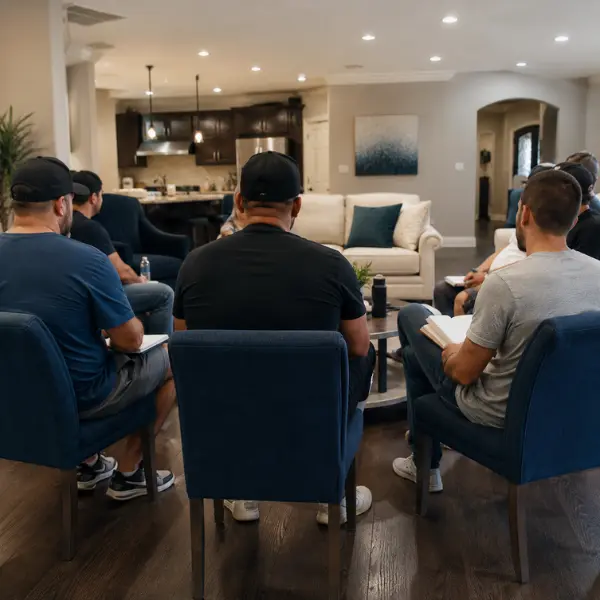
Resident meeting with a house manager after a relapse at a sober living home in Los Angeles
David Beasley, Founder and Recovery Advocate at Sober Living Los Angeles
Reviewed byDavid BeasleyFounder & Recovery Advocate
Published Jun 17, 2026Updated Jun 17, 202610 min read

This guide is educational and is reviewed for real-world recovery accuracy. It is not a substitute for personalized medical or clinical advice. Relapse is a sensitive, high-stakes topic; confirm a home’s actual relapse policy before relying on it.

A relapse in a sober living home does not automatically end your stay or your recovery. What happens next depends on the home’s relapse policy, your honesty in reporting it, and your willingness to re-engage with treatment, but in most well-run sober living homes a single slip is treated as a setback to address rather than a failure to punish. Relapse is common in recovery, and a structured sober living home is built to respond to it.

This guide explains what counts as a relapse, the three stages that precede a physical relapse, what the house manager does immediately afterward, how common relapse actually is, whether you get asked to leave, whether you can return, why honesty matters, what to do if a housemate relapses, and how to get back on track.

Definition

What Counts as a Relapse in a Sober Living Home?

A relapse in a sober living home is any return to alcohol or drug use after a period of abstinence, and it is the central event the home’s rules and drug-testing systems are designed to detect and respond to. In a sober living home, a confirmed positive drug test, an admission of use, or visible intoxication all count as a relapse under the home’s sober living house rules.

It helps to distinguish a relapse from a lapse. A lapse is a single, brief instance of use, while a relapse is a return to a sustained pattern of substance use. The American Society of Addiction Medicine (ASAM) defines addiction as a treatable, chronic medical disease, and like other chronic diseases it can involve cycles of remission and recurrence. Framing a return to use as a recurrence of a medical condition, rather than a moral failure, is the foundation of how a modern sober living home responds.

Recognizing a relapse early is the reason sober living homes monitor sobriety so closely. Random drug testing, curfews, and daily peer accountability exist not to police residents but to catch the warning signs before a brief lapse becomes a full relapse. Those warning signs follow a recognizable progression.

The Process

What Are the Three Stages of Relapse?

The three stages of relapse are emotional relapse, mental relapse, and physical relapse, a model that shows relapse begins long before the first drink or drug. According to Dr. Steven Melemis, whose framework was published in the Yale Journal of Biology and Medicine in 2015, physical relapse is only the final stage of a process that can start weeks earlier.

Emotional relapse is the first stage. The person is not thinking about using, but their emotions and behaviors set the stage for it: bottling up feelings, isolating from housemates, skipping recovery meetings, and neglecting self-care such as sleep and nutrition. In a sober living home, this stage is often visible to peers and the house manager before the resident recognizes it themselves.

Mental relapse is the second stage, an internal tug-of-war in which part of the person wants to use and part does not. Signs include romanticizing past use, thinking about people and places associated with using, bargaining, and planning a relapse around the home’s schedule. This is the stage where intervention matters most, because the resident is still sober but increasingly at risk.

Physical relapse is the third and final stage: the actual return to substance use. The value of the three-stage model in a sober living home is that it gives residents and staff a shared vocabulary to interrupt the process during the emotional or mental stage, long before physical relapse occurs.

The three stages of relapse: emotional, mental, and physical
The Response

What Happens Immediately After a Relapse in Sober Living?

Immediately after a relapse in a sober living home, the home follows a defined response sequence designed to keep the resident safe and re-stabilize their recovery. While the exact steps vary by home, a structured sober living home typically responds in this order:

Step What the home does
1 The resident meets privately with the house manager to discuss what happened and assess immediate safety.
2 The home increases accountability, usually through more frequent drug testing in the following weeks.
3 If medically necessary, the resident is connected to a higher level of care, such as detox or an intensive outpatient program.
4 The resident and house manager create or revise a relapse-prevention plan identifying triggers and coping strategies.
5 Meeting attendance requirements are increased, often back to daily recovery meetings.
6 The home decides, based on policy and circumstances, whether the resident continues, is temporarily suspended, or is discharged.

The first priority is always safety. If a resident returns to the home intoxicated, the house manager ensures they are not in medical danger before any conversation about consequences takes place. This response reflects guidance from the Substance Abuse and Mental Health Services Administration (SAMHSA), which frames recovery as a process that often includes recurrence and emphasizes re-engagement with care rather than removal from support.

The goal of the immediate response is not to determine punishment but to determine the right next step. For many residents, that next step is staying in the sober living home with increased structure; for others, it is a brief return to clinical treatment before resuming sober living.

Steps a sober living home takes immediately after a resident relapses
The Statistics

How Common Is Relapse During Recovery?

Relapse is common during recovery, with relapse rates for substance use disorders estimated at 40 to 60 percent, according to the National Institute on Drug Abuse (NIDA). NIDA notes that these rates are similar to relapse rates for other chronic medical conditions such as hypertension and asthma, which reframes relapse as a manageable feature of a chronic disease rather than evidence that treatment failed.

The risk is highest early. Research by Dr. Rajita Sinha of the Yale School of Medicine has documented that vulnerability to relapse is greatest in the first months after treatment, when stress sensitivity and cravings are most intense. This is precisely the window a sober living home is designed to cover, providing structure and peer support during the period of highest risk.

Length of stay changes the odds. Studies of sober living homes led by Dr. Douglas Polcin of the Alcohol Research Group have found that residents who stay six months or longer show significantly better abstinence outcomes than those who leave early. Understanding how common relapse is, and how protective sustained support can be, helps explain why being asked to leave after a single slip would be counterproductive.


Worried About a Relapse?

Whether it is you or a loved one, our team can talk through next steps with compassion and no judgment. Call anytime, day or night.

Discharge Policy

Do You Get Kicked Out of Sober Living if You Relapse?

Not always. Whether you are asked to leave a sober living home after a relapse depends on the home’s policy, and homes fall into two broad categories: zero-tolerance and flexible. A relapse does not automatically mean discharge from a sober living home, but in a zero-tolerance home it can.

Zero-tolerance homes require immediate departure after any confirmed use, on the principle that an active relapse threatens the sobriety of every other resident. In these homes, the resident is typically helped to transition safely, often back into treatment or to a detox facility, rather than simply turned out.

Flexible, case-by-case homes evaluate each relapse individually. Factors include whether the resident self-reported, whether they are willing to re-engage with treatment, the severity of the relapse, and their overall track record in the home. Many of these homes allow a resident to stay under stricter conditions, such as increased testing and mandatory meetings, after a first relapse. The deciding factor in a case-by-case home is usually honesty.

Re-Admission

Can You Return to a Sober Living Home After a Relapse?

Yes, most sober living homes allow a former resident to return after a relapse, often after completing a period of treatment or demonstrating renewed commitment to recovery. Being discharged after a relapse is rarely permanent, and re-admission is a normal part of the recovery process.

Re-admission conditions vary by home. A resident who left for detox or inpatient treatment may return once they have stabilized, sometimes after a defined waiting period and a renewed intake conversation. Some homes ask returning residents to restart at the most structured phase of the program, with the earliest curfew and the most frequent meetings, before earning back expanded privileges.

If you are returning after a relapse, the admission process is usually faster the second time, because the home already knows you. What matters most to a sober living home is not that a relapse happened but that the resident is ready to re-engage honestly with their recovery.

Self-Reporting

Why Does Honesty Matter After a Relapse?

Honesty matters after a relapse because self-reporting is often the single factor that determines whether a resident is allowed to stay in a sober living home. Admitting a relapse immediately demonstrates the accountability that recovery depends on, while hiding it erodes the trust the entire sober living home is built on.

A resident who self-reports a slip gives the house manager the chance to intervene early, adjust their support, and treat the event as a recurrence to manage. A resident who conceals use and is later caught by a drug test has not only relapsed but also broken the honesty that the community requires, which usually leads to more serious consequences. In practice, many flexible homes that would discharge a resident for a concealed relapse will allow an honest self-reporter to stay.

This is why a healthy sober living home works to make honesty safe. When residents understand that disclosing a relapse leads to support rather than automatic punishment, they are far more likely to come forward early, when intervention is most effective. Honesty is not only a rule in a sober living home; it is the mechanism that makes recovery from a relapse possible.

Supporting Others

What Should You Do if a Housemate Relapses?

If a housemate relapses, the most helpful response is to support them with compassion while promptly alerting the house manager, because protecting the household and protecting your friend are the same goal. In a sober living home, a housemate’s relapse affects the whole community, and ignoring it or covering for them puts both residents at risk.

Start by expressing concern without judgment. A person in the middle of a relapse often feels shame, and shame is associated with further use, not recovery. Letting them know you care, and that recovery from a relapse is possible, can be the difference between a slip and a sustained relapse.

At the same time, do not enable the relapse by keeping it secret. Telling the house manager is not betrayal; it is how the sober living home activates the support response that protects everyone, including the resident who relapsed. Avoid using with them, sharing substances, or helping them conceal use, all of which threaten your own recovery. Supporting a housemate through a relapse ultimately means helping them get back on track.

Moving Forward

How Do You Get Back on Track After a Relapse?

Getting back on track after a relapse starts with re-engaging immediately, identifying what triggered the relapse, and rebuilding the daily structure that supports sobriety. A relapse interrupts recovery, but in a sober living home it does not have to end it, and residents who respond quickly often emerge with a stronger relapse-prevention plan than they had before.

The first move is to re-establish accountability: meet with the house manager, return to daily recovery meetings, and accept the increased monitoring that follows a relapse. The second is to learn from it by examining the emotional and mental stages that preceded the physical relapse, so the same progression can be interrupted earlier next time. The detailed strategies for this work are covered in the guide to relapse prevention strategies in sober living.

A relapse handled well becomes part of recovery rather than the end of it. The structure, peer support, and accountability of a sober living home exist precisely so that a slip can be caught, addressed, and turned into a stronger foundation for long-term sobriety.

FAQ

Commonly Asked Questions

Do you get kicked out of sober living if you relapse?

Not always. It depends on the home’s policy. Zero-tolerance homes require departure after any confirmed use, while flexible, case-by-case homes evaluate each relapse and often allow an honest self-reporter to stay under stricter conditions such as increased testing and mandatory meetings.

Can you return to a sober living home after a relapse?

Yes. Most sober living homes allow a former resident to return after a relapse, often after completing a period of treatment or demonstrating renewed commitment to recovery. Re-admission is a normal part of the recovery process.

What are the three stages of relapse?

The three stages are emotional relapse, mental relapse, and physical relapse. Physical relapse is only the final stage of a process that often begins weeks earlier with isolation, skipped meetings, and neglected self-care, which is why early intervention matters.

David Beasley, Founder and Recovery Advocate at Sober Living Los Angeles
Reviewed By

David Beasley

Founder & Recovery Advocate, Sober Living Los Angeles

David is the founder and recovery advocate behind Sober Living Los Angeles. Drawing on lived experience and years of building structured, community-based sober living, he champions a holistic approach to recovery that pairs safe housing with mentorship and life coaching — rooted in the belief that everyone deserves a second chance. He reviews the recovery content published on this site for real-world accuracy and safety.

Read more about David Beasley

A Relapse Is Not the End of Recovery

Sober Living Los Angeles responds to relapse the way evidence says it should: with honesty, increased support, and a clear path back to recovery, not with judgment. Contact us today to talk about next steps.