Skip to content
Sober Living Los Angeles
Sober Living · Serving San Diego

Sober Living for San Diego Residents

A structured, CCAPP-certified 12-step recovery home 120 miles up the coast in Los Angeles — real distance from old routines, with a clear plan to bring you back to San Diego stronger.

CCAPP Certified Residence Men & Women Welcome 12-Step Structured Program
Aerial view of the pool and backyard at our sober living home serving San Diego residents
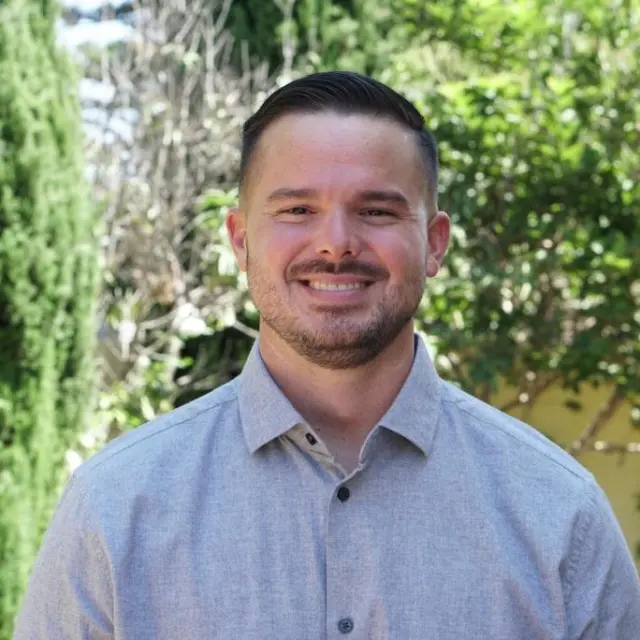
David Beasley, Founder and Recovery Advocate at Sober Living Los Angeles
Reviewed byDavid BeasleyFounder & Recovery Advocate
Published Jun 11, 202614 min read

This page is reviewed for real-world recovery accuracy. It is educational and is not a substitute for personalized medical or clinical advice.

The Straight Answer

Sober Living for San Diego — From a Home in Los Angeles

Let’s start with the thing most sober living websites bury: our house is not in San Diego. It sits at 8112 Holy Cross Pl in Westchester, Los Angeles — about 120 miles north of downtown San Diego, a 2 to 2.5 hour drive up I-5.

For many people searching for sober living in San Diego, that distance is exactly the point. Early recovery is hardest in the city where your using happened — the same dealers’ numbers in your phone, the same bars on your commute, the same friends texting on Friday night. Research by Dr. Douglas Polcin published in the Journal of Substance Abuse Treatment found that sober living residents improved significantly on substance use, employment, and arrests at 6- and 18-month follow-ups — and a structured environment away from old cues is a core part of why the model works.

What you get with us: a structured 12-step sober living home for men and women, with random drug and alcohol testing, a live-in house structure, peer mentorship from day one, trauma-informed and dual-diagnosis-aware support, and an aftercare plan built around your return to San Diego — your meetings, your work, your family.

And if you decide you need a home you can walk to the beach from in Pacific Beach instead — that’s a legitimate choice. This page will still help you: further down we cover how to vet any sober living home in San Diego, what the local market actually costs, and the red flags that should make you keep looking.

Why Leave San Diego?

Healthy Distance, Not Disconnection

Two and a half hours is far enough to break old patterns — and close enough that your family is never more than a morning’s drive away.

Distance From Triggers

The people, places, and routines tied to your use don’t disappear the day you quit. Relocating for early recovery removes the daily collisions with them — the “people, places, and things” relapse risk every 12-step program warns about.

Still Connected to Home

We’re one straight shot up I-5 and ten minutes from LAX. Family visit days, weekend check-ins, and phone or video contact keep your San Diego support system involved — without putting you back in the middle of it too soon.

A Real Return Plan

You don’t stay forever. Before you leave, we build an aftercare plan that reconnects you to San Diego — meetings near your neighborhood, a sponsor handoff, work, and housing — so going home is a step forward, not a relapse risk.

Your City’s Recovery Network

We Know San Diego’s Recovery Landscape

North County San Diego alone hosts 726 weekly AA meetings across 158 locations, according to the North County Intergroup — and that count doesn’t include the city of San Diego or South County, which the San Diego Central Office covers separately. Whatever neighborhood you’re returning to, there are meetings every day of the week within a short drive.

That network matters to us because your stay in our Los Angeles home ends with a plan that plugs into it. These are the institutions we build San Diego aftercare plans around:

  • San Diego Central Office (AA) — Mission Valley, helpline (619) 265-8762
  • North County Intergroup (AA) — (760) 758-2514, live meeting directory
  • NA San Diego & Imperial Counties — text your ZIP to (619) 584-1007 for nearby meetings
  • Recovery Residence Association of San Diego (RRASD) — county quality standards with peer-reviewed site visits
  • SOARR — San Diego 501(c)(3) that vets and lists local recovery residences
  • McAlister Institute (El Cajon) & Fellowship Center (Escondido) — treatment programs we coordinate step-downs with

When you finish your stay with us, your San Diego re-entry plan is built around this network before you pack a single box.

The House

A Real Home in Westchester — Not a Facility

A quiet residential street near LAX. Men and women live here, share dinners here, and rebuild routines here — with disclosed room capacity and no bunk-stacking.

The house is a single-family home, not a converted motel. Ten minutes from LAX means San Diego families can fly or drive up for visit days without turning it into an expedition — and move-in day is one car trip up I-5.

  • Furnished shared and private rooms Disclosed capacity per room — ask us exactly how many people share yours.
  • Pool, patio & outdoor kitchen Where house dinners, BBQs, and family visit days actually happen.
  • Utilities, Wi-Fi & routine testing included One monthly rate. No surprise add-ons for the basics.
  • Weekly house meeting space The living room doubles as where the whole house checks in, every week.
Front exterior of our Westchester sober living home serving San Diego residents
Shared bedroom with twin beds at our sober living home
Bedrooms — disclosed capacity
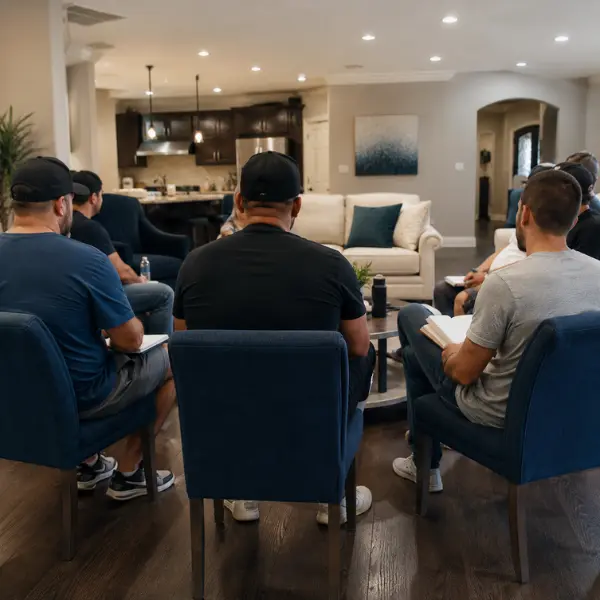
Living room where weekly house meetings are held
Living room & meeting space
Outdoor kitchen and BBQ area used for house dinners and family visits
Outdoor kitchen & BBQ
Backyard pool and patio at our sober living home
Pool & patio
Structure & Accountability

Our House Rules, Published

If a sober living home won’t tell you its rules before you move in, keep looking. Here are ours.

What We Expect From You

  • Sobriety, verified by random drug and alcohol testing you consent to at entry — plus for-cause testing when something feels off.
  • Curfew that loosens as you progress — tightest in your first 30 days, with more flexibility earned at 60 and 90.
  • The weekly house meeting — everyone, every week.
  • 3–5 recovery meetings per week. 12-step is our core; we’ll talk honestly about alternatives if that’s where you are.
  • Work, school, job search, or volunteering — daytime structure isn’t optional.
  • Daily chores. Cooking, cleaning, upkeep — the self-sufficiency you’ll need when you’re back in San Diego on your own.

What You Can Expect From Us

  • A written resident agreement before you pay anything — rates, deposit, notice terms, and rules in plain language.
  • A safe, substance-free home with 24/7 staff and peer support.
  • A mentor from day one — someone who’s been exactly where you are now.
  • Trauma-informed, dual-diagnosis-aware support for the depression, anxiety, or PTSD that often travels with addiction.
  • Family visit days — your people drive up, see where you live, and leave reassured.
  • An honest relapse protocol — explained below, before you ever need it.

What happens if someone relapses? Safety first: anyone actively intoxicated can’t stay in the house that night, because the other residents’ sobriety comes first. But relapse doesn’t mean we throw your belongings on the lawn. We assess what happened, involve your family where appropriate, and map the next step — usually detox or treatment, with a path back to the house once you’re stable. Honesty about a relapse is always treated better than hiding one.

Daily Life

A Day in the House

Not a brochure version — the actual rhythm of a weekday here.

Resident starting a structured morning routine in sober living
6:30 AM

Wake-Up, Chores, Check-In

Your alarm goes off whether you feel like it or not — that’s the point. Bed made, assigned chore done, then a short morning check-in. The first weeks, this feels like someone else’s schedule. Around week four, it starts feeling like yours.

Daily schedule structure for work and outpatient treatment in sober living
9:00 AM – 5:00 PM

Work, School, or Treatment

Everyone leaves the house with somewhere to be: a job, classes, a job search with real applications to show for it, or an outpatient program. Many residents pair the house with outpatient treatment — housing and clinical care working in parallel.

Residents sharing a communal dinner at the sober living home
6:30 PM

Dinner Together

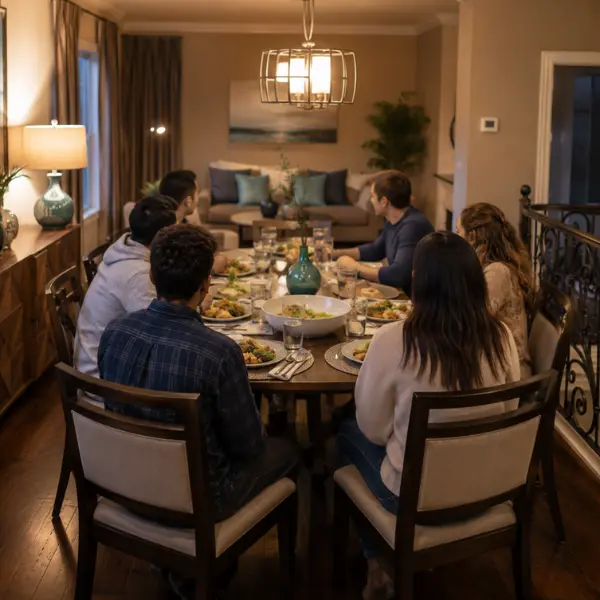
Shared dinners are where the house stops being housing and starts being a community. Someone cooks, someone cleans, and the guy who wouldn’t say a word his first week is suddenly telling the story that makes the whole table laugh.

Evening recovery meeting with residents in a circle
8:00 PM

Evening Meeting, Then Curfew

Most evenings end at a 12-step meeting — LA’s Westside has hundreds weekly, many within a short drive. Back home by curfew, phones down, lights out. Repetition is the program: the days are predictable so your recovery doesn’t have to be lucky.

The honest part: some of this will chafe. Sharing a room as an adult is humbling. The curfew will feel unfair on a Friday in month two. Almost every alumnus we have hated something about the structure at first — and almost every one of them now points to that same structure as the reason it worked.

Buyer’s Guide

How to Choose a Sober Living Home in San Diego

Here’s the fact that surprises most families: California does not license sober living homes. State licensing only applies to facilities providing clinical services like detox or therapy. A purely residential sober home can open with no inspection, no standards, and no oversight at all.

The quality marker that exists instead is voluntary certification through CCAPP — the California Consortium of Addiction Programs and Professionals, the state’s NARR affiliate. CCAPP certification requires submitting house rules, resident agreements, insurance, and policies, passing an on-site inspection by a peer-certified inspector, and renewing annually. In San Diego County, RRASD and SOARR add a local layer of vetted directories and peer-reviewed site visits. If a home you’re considering holds none of these, ask why.

Red Flags — Keep Looking If…

  • There’s no drug or alcohol testing — or nobody can explain how testing actually works.
  • The home is paid by a treatment center for referrals — patient brokering is illegal in California and still happens.
  • No written resident agreement, vague fees, or a deposit nobody will put on paper.
  • Beds stacked to maximize occupancy — if they won’t say how many people share a room, that’s the answer.
  • You’re not allowed to meet current residents before committing.

Our Standard Instead

  • Random testing on a documented cadence, consented to in writing at entry.
  • We accept no referral fees from any treatment center — ever, in either direction.
  • Written agreement with posted rates, deposit, and notice terms before any money changes hands.
  • Disclosed capacity for every room — ask, and we’ll tell you exactly.
  • We’ll put you on the phone with current residents before you decide. We encourage it.

CCAPP Certified Recovery Residence

Our home is certified by CCAPP, California’s NARR affiliate — inspected on-site, held to published ethical standards, and renewed annually. Ask us for our certification details on your first call.

Verify With Us Directly
Pricing

What Sober Living Actually Costs — San Diego & Us

Most sober living websites won’t print a number. Here’s the San Diego market as of 2026, and where we sit in it.

Option Typical Monthly Cost
San Diego shared room $800 – $1,275
San Diego private room ~$1,800
Oxford House model (peer-run) $400 – $700
Luxury / beach-adjacent homes $2,000 – $3,000+
Our home (Westchester, LA) $1,200 – $1,800 by room type

Our rate includes utilities, Wi-Fi, furnishings, routine drug and alcohol testing, house programming, and aftercare planning. The deposit and 30-day notice terms are in the written agreement you’ll see before paying anything.

The insurance truth: health insurance does not cover sober living rent — anywhere, including San Diego. It’s housing, not treatment. What insurance often does cover is outpatient treatment attended while you live in a sober home. If a home tells you insurance will pay your rent, re-read the red flags above.

726
Weekly AA meetings in North County San Diego alone — the network your aftercare plan returns to
120 mi
Between our house and downtown San Diego — healthy distance, easy family weekends
24/7
Staff & peer support, every day of your stay
Reviews

What Residents and Families Say

Voices from the people who’ve lived it — and the families who watched it work.

★★★★★

“I hated the curfew my first month. By month four I understood it — the structure was the first thing in years that didn’t move. Coming up from San Diego felt drastic. It was the best decision I made.”

Marcus T.
Alumnus · North Park, San Diego
★★★★★

“As a mom in Chula Vista, sending my son two hours away terrified me. The visit days changed everything — I could see where he lived, meet his housemates, and watch him become himself again.”

Sandra R.
Parent of alumnus · Chula Vista
★★★★★

“I refer clients who need real distance from their using environment. The written agreements, the testing cadence, and the aftercare handoffs back to San Diego are exactly what I want to see from a recovery residence.”

D. Alvarez
Referring treatment professional
Admissions

From San Diego to Move-In — Three Steps

No intake bureaucracy, no insurance authorization. Most San Diego residents move in within days of the first call.

Step 01

Call or Send the Form

100% free and confidential. Talk to a person, not a call center — about you or someone you love.

Step 02

A Short Phone Screen

About 15 minutes: where you are in recovery, sobriety status, move-in timing, and whether we’re actually the right fit. If we’re not, we’ll say so and point you somewhere better.

Step 03

Move In

One drive up I-5 — we’ll help coordinate the trip with your family, and your mentor meets you at the door.

Visit Us

Where We Are — and How to Get Here From San Diego

Come see the house before you decide. We’d rather you visit, meet residents, and compare us against every home on your San Diego list.

Our Home

From San DiegoI-5 N to I-405 N — about 2 to 2.5 hours. We’re 10 minutes from LAX if family is flying in.
Get Directions
San Diego Areas We Serve

Residents Come to Us From Across San Diego County

And their aftercare plans route them back — into the meetings, sponsors, and support networks of these neighborhoods and cities.

Pacific Beach

San Diego’s densest cluster of beach-recovery culture and walkable AA meetings.

Ocean Beach

A long-standing 12-step presence in a laid-back beach community.

Mission Beach

Boardwalk neighborhood sharing the PB–OB recovery meeting corridor.

La Jolla

Coastal enclave where private-room sober living routinely runs $2,000+.

North Park

One of the city’s highest urban meeting densities, popular with young adults.

Hillcrest

Beside the medical district, with strong LGBTQ+-affirming meetings.

Point Loma

Quiet coastal peninsula a short hop from Ocean Beach meetings.

Mission Valley

Home of the San Diego AA Central Office and the county’s freeway crossroads.

Downtown & Gaslamp

The county’s employment and transit core — where many residents return to work.

Chula Vista

South Bay’s largest city, covered by NA’s Southbay area committee.

El Cajon

East County hub and headquarters of the McAlister Institute.

La Mesa

Residential East County streets a short drive from central San Diego.

Oceanside

Coastal North County, inside the 726-meeting weekly AA network.

Carlsbad

North County sober living cluster with a surf-and-recovery culture.

Encinitas

Wellness-oriented surf town with established recovery homes.

Escondido

Home of the Fellowship Center, a major treatment step-down referral source.

FAQ

San Diego Sober Living Questions, Answered

How much does sober living cost in San Diego?

Most San Diego sober living homes cost $800 to $2,500 per month as of 2026. Shared rooms typically run $800 to $1,275, private rooms around $1,800, peer-run Oxford Houses $400 to $700, and luxury beach-adjacent homes $2,000 to $3,000 or more. Our Westchester home falls in the middle of that range, with the rate, deposit, and notice terms in a written agreement you see before paying.

Does insurance cover sober living?

No. Health insurance does not cover sober living rent in San Diego or anywhere else, because sober living is housing rather than clinical treatment. Insurance often does cover outpatient treatment you attend while living in a sober home, which is the most common way residents pair clinical care with recovery housing.

Are sober living homes licensed in California?

No. California does not license non-clinical sober living homes — state licensing applies only to facilities providing services like detox or therapy. The quality marker to look for instead is voluntary certification through CCAPP, California’s NARR affiliate, which requires an on-site inspection, published ethical standards, and annual renewal. Our home is CCAPP certified.

What is the difference between sober living and a halfway house?

A halfway house is usually tied to the criminal justice system or state funding, with time limits and placement requirements. A sober living home is private, voluntary, and peer-driven — you choose it, you pay rent, and you stay as long as the recovery plan calls for. Sober living homes also typically offer more structure choice, from peer-run houses to highly structured 12-step homes like ours.

How long should I stay in sober living?

Plan on at least 90 days. The National Institute on Drug Abuse’s Principles of Drug Addiction Treatment notes that participation shorter than 90 days is of limited effectiveness. Most of our residents stay 6 to 12 months — long enough to stabilize work, build a sober routine, and leave with an aftercare plan instead of just a move-out date.

Your house is in Los Angeles — why would I leave San Diego for it?

Distance from your using environment is one of the strongest tools early recovery has. Staying in San Diego means staying within reach of the same people, places, and routines tied to your use. Our home is 120 miles away — far enough to break those patterns, close enough for family visits, and your aftercare plan reconnects you to San Diego’s recovery network before you return.

Can my family visit from San Diego?

Yes — we count on it. Family visit days are part of the program, and the drive is about 2 to 2.5 hours up I-5. We’re also 10 minutes from LAX for family flying in. Families see the house, meet housemates and staff, and stay involved without the daily proximity that complicates early recovery.

What happens if someone relapses?

Safety comes first: someone actively intoxicated cannot stay in the house that night, because every other resident’s sobriety depends on a substance-free home. After that, we assess what happened and map the next step — usually detox or treatment, with a path back to the house once stable. Relapse is treated as a clinical event to respond to, not a moral failure to punish.

Will you help me move back to San Diego afterward?

Yes — that’s what the aftercare plan is. Before you leave, we map your San Diego re-entry: meetings near your neighborhood using the Central Office and North County directories, a sponsor connection, work plans, and housing. The goal is that your first week back home is scheduled before you pack.

Do you accept residents on MAT (Suboxone or methadone)?

We review MAT case by case, in coordination with your prescribing physician, so call us to talk through your specific situation. Whatever you hear from any sober living home, get its MAT policy in writing before you commit — it is one of the questions that separates well-run homes from the rest.

Get in Touch

Tell Us Where You Are

In San Diego, in treatment, or three relapses past hope — it doesn’t matter. Send a message and we’ll respond the same day with straight answers, not a sales pitch.

120 Miles Can Change Everything

One call from San Diego today. A structured home, a mentor, and a plan to come back stronger — that’s what’s on the other end of it.